 How-to
How to Maintain Vehicle Wraps: Complete Care Guide
Table of Contents
- Understanding Vehicle Wrap Basics
- Hand Washing Your Wrapped Vehicle
- Pressure Washing Guidelines for Vinyl Wraps
- Removing Stubborn Contaminants Without Damage
- Can You Wax a Wrapped Car? What to Avoid
- Ceramic Coating for Vehicle Wraps: Benefits and Application
- How Long Do Vehicle Wraps Last with Proper Care
- Seasonal Maintenance and Storage Tips
- Frequently Asked Questions
Last Updated: October 2, 2026
Understanding Vehicle Wrap Basics
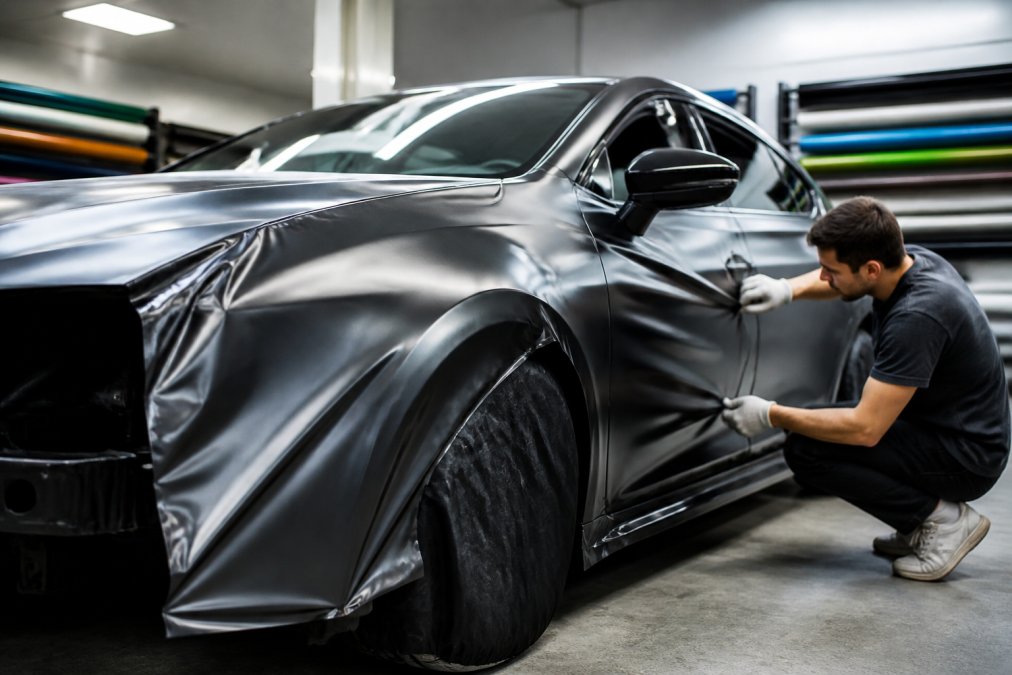
A vehicle wrap is a large vinyl graphic or decal applied directly to your car's exterior. It covers the paint and can be removed without damage when you're ready for a change. Wraps come in gloss, matte, and satin finishes, each requiring slightly different care approaches.
The durability of your vinyl wrap depends heavily on maintenance. Most wraps last three to five years with proper care, though some last longer. Without attention, they'll fade, peel, and deteriorate much faster. Consistent maintenance makes a difference in keeping wraps looking showroom-fresh for years.
Vinyl wraps are tougher than they look, but they're not indestructible. The material can handle normal driving conditions. However, harsh chemicals, extreme heat, and abrasive cleaning methods will damage the surface. Understanding what your wrap can and cannot handle is the first step to protecting your investment.
Hand Washing Your Wrapped Vehicle
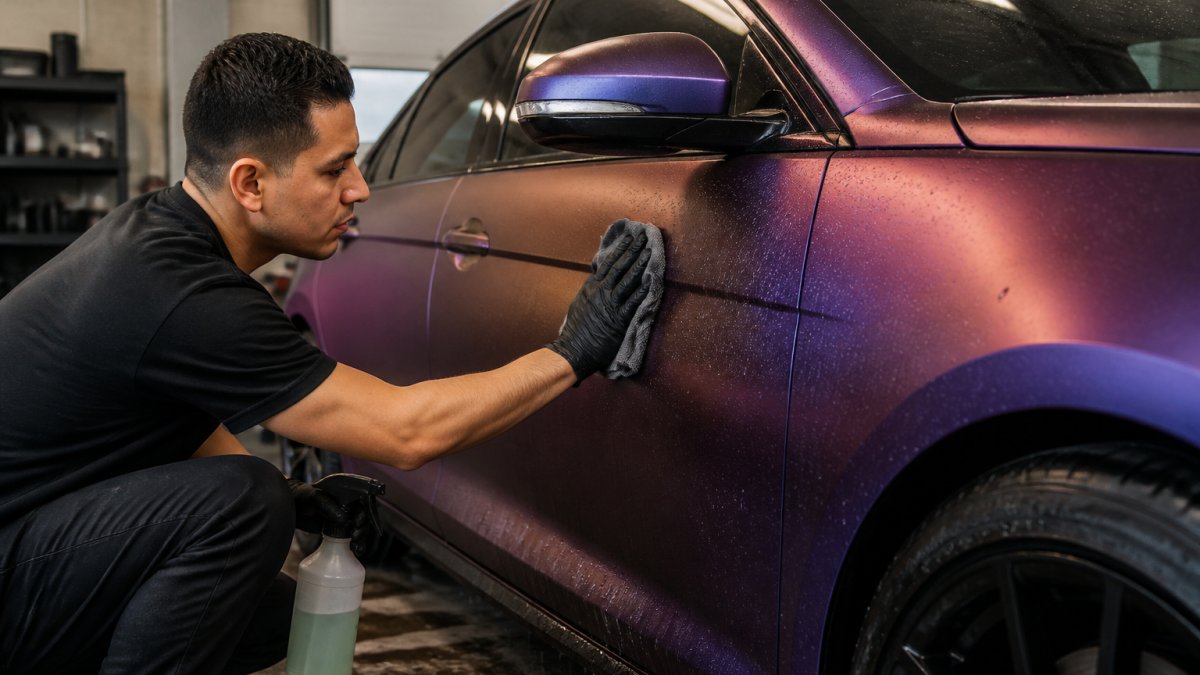
Hand washing is the safest way to maintain vehicle wraps. This method gives you complete control and prevents the aggressive scrubbing that automatic car washes can cause.
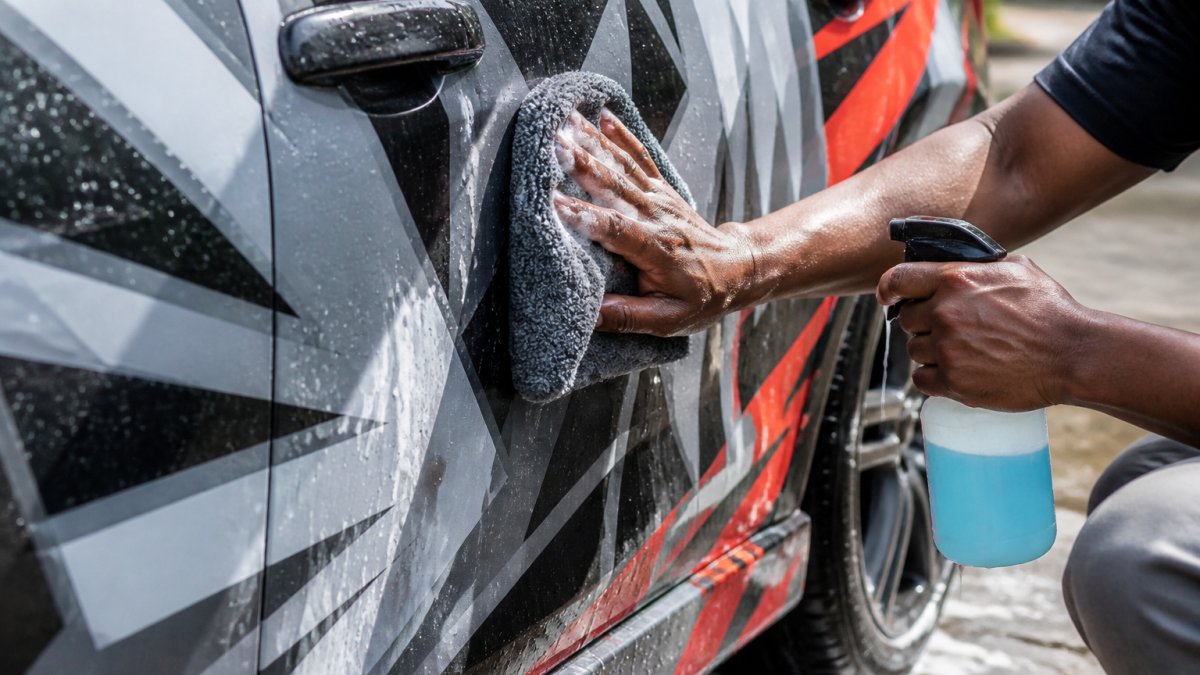
Start with the right supplies:
- Two buckets (one for soapy water, one for rinsing your cloth)
- Automotive detergent (not dish soap)
- Soft microfiber cloths or sponges
- Clean, soft-bristle brush for stubborn spots
- Hose with adjustable pressure (low setting only)
The hand washing process:
- Rinse the entire wrap with low-pressure water to remove loose dirt and debris
- Fill one bucket with water and automotive detergent
- Dip your microfiber cloth in soapy water and wash one section at a time
- Rinse each section immediately with clean water before moving on
- Use the second bucket to rinse your cloth between sections
- Dry the wrap with a clean microfiber towel to prevent water spots
Avoid circular motions when scrubbing. Instead, use straight lines or gentle back-and-forth strokes. This reduces the chance of swirl marks on the vinyl surface.
Temperature matters too. Wash your wrapped vehicle in shade or when it's cool. Hot surfaces can cause soap to dry too quickly, leaving streaks and residue. Cold water is fine, but lukewarm water cleans more effectively.
Pressure Washing Guidelines for Vinyl Wraps
If you must use a pressure washer, follow strict guidelines to avoid damage. Most wrap damage from pressure washing happens because people ignore PSI limits and spray too close to the surface.
The safe pressure limit for vinyl wraps is 1,500 PSI maximum. Many pressure washers go much higher, so check your equipment before using it. Keep the nozzle at least 12 inches away from the wrap at all times.
Pressure washing best practices:
- Use a 40-degree spray tip, never a 0-degree pinpoint nozzle
- Keep the nozzle moving constantly, never hold it in one spot
- Avoid spraying directly at wrap edges, seams, or corners
- Never spray underneath the wrap or at angles that expose edges
- Use a wide, sweeping motion across large flat surfaces
- Stop immediately if you see any peeling or lifting
Most professional detailers recommend skipping pressure washing altogether for wrapped vehicles. Hand washing takes longer but eliminates the risk entirely. If you do pressure wash, treat it as an occasional option, not your regular cleaning method.
The real danger with pressure washing isn't the water itself, it's the force behind it.
Removing Stubborn Contaminants Without Damage
Bird droppings, tree sap, fuel spills, and tar are common contaminants that can damage vinyl if left sitting. The key is removing them quickly without using abrasive methods.
For bird droppings and tree sap:
- Soak the area with warm water and let it sit for 5-10 minutes
- Gently wipe with a soft microfiber cloth
- Use a clay bar if the residue won't come off with cloth alone
- Rinse thoroughly and dry
For fuel spills and tar:
- Never use solvents like acetone, gasoline, or paint thinner on vinyl wraps
- These chemicals dissolve the adhesive and damage the wrap
- Isopropyl alcohol (70% concentration) is safer for stubborn spots
- Apply it sparingly on a cloth and rub gently
- Rinse immediately with water
For general grime buildup:
- A non-abrasive degreaser designed for automotive use works well
- Spray it on, let it sit for a minute, then wipe with a soft cloth
- Rinse thoroughly to remove all residue
- Some degreasers can dull matte finishes, so test on a hidden area first
Can You Wax a Wrapped Car? What to Avoid
This is where many wrap owners make costly mistakes. Never apply traditional wax to a vinyl wrap. Wax is designed for clear coat paint, not vinyl, and it creates problems.
What to avoid on wrapped vehicles:
- Traditional car wax (paste or liquid)
- Silicone-based dressings
- Harsh chemical solvents
- Abrasive polishing compounds
- Acetone or paint thinner
- Bleach or ammonia-based cleaners
Safe alternatives for vinyl wraps:
- Vinyl protectant sprays (specifically labeled for vinyl)
- UV protectant products designed for automotive vinyl
- Simple automotive detergent and water
- Microfiber cloths for drying and buffing
Ceramic Coating for Vehicle Wraps: Benefits and Application
Ceramic coatings have become popular for vinyl wraps because they offer genuine protection without the problems of traditional wax. A ceramic coating creates a hard, protective layer on top of the vinyl.
Benefits of ceramic coating for wraps:
- Enhanced UV protection that slows fading
- Improved water beading and easier cleaning
- Increased gloss or depth (depending on the product)
- Better protection against minor contaminants
- Long-lasting protection (typically 12-24 months)
- Works on gloss, matte, and satin finishes
Application process:
- Clean the wrap thoroughly with automotive detergent and water
- Dry completely with microfiber cloths
- Apply the ceramic coating in thin, even layers (follow product instructions)
- Allow proper curing time before exposing the vehicle to water
- Most coatings need 24-48 hours to fully cure
How Long Do Vehicle Wraps Last with Proper Care
The lifespan of a vinyl wrap depends on several factors: the quality of the wrap material, installation quality, climate conditions, and maintenance consistency.
Expected lifespan with proper care:
- Standard vinyl wraps: 3-5 years
- Premium vinyl wraps: 5-7 years
- High-end specialty wraps: 7+ years
Factors that shorten wrap lifespan:
- Constant direct sunlight without UV protection
- Extreme heat (above 140°F regularly)
- Harsh chemicals or improper cleaning
- Neglected maintenance and contaminant buildup
- Poor installation with gaps or air bubbles
- Mechanical damage from pressure washing or aggressive cleaning
Factors that extend wrap lifespan:
- Regular hand washing with proper products
- Garage or covered parking
- Protective coatings (ceramic or vinyl protectant)
- Prompt removal of contaminants
- Professional installation with quality materials
- Matte finishes often last slightly longer than gloss in high-UV areas
Seasonal Maintenance and Storage Tips
Different seasons bring different challenges for vinyl wraps. Adjusting your maintenance routine seasonally keeps your wrap in top condition year-round.
Summer maintenance:
- Wash more frequently (every 2 weeks) due to increased UV exposure
- Park in shade whenever possible
- Use UV protectant products regularly
- Watch for heat-related edge lifting in extreme climates
- Inspect seams and edges monthly for signs of separation
Winter maintenance:
- Salt from roads can damage vinyl, so wash after driving in salty conditions
- Avoid high-pressure washers in freezing temperatures (water can freeze under the wrap)
- Dry the wrap thoroughly to prevent water from freezing underneath
- Check for moisture trapped under edges during thaw cycles
- Use gentle hand washing only during winter months
Spring and fall:
- Pollen and debris accumulate quickly, wash every 1-2 weeks
- Watch for tree sap and bird droppings
- Remove contaminants promptly before they set
- Inspect the wrap for any damage from winter conditions
Storage considerations:
If your wrapped vehicle will be stored for extended periods:
- Clean the wrap thoroughly before storage
- Park in a climate-controlled space if possible
- Avoid direct sunlight through windows
- Check the wrap monthly even while stored
- Don't leave the vehicle uncovered in harsh weather
Frequently Asked Questions
Can a wrapped car go through a car wash?
Automatic car washes and brush-based systems can damage vinyl wraps by lifting edges or causing peeling. Hand washing or touchless car washes are safe alternatives. If using a touchless wash, keep pressure below 1500 psi and maintain at least 12 inches distance from the wrap surface. Always use wax-free soap designed for automotive detailing to avoid coating buildup on the vinyl.
What products should you avoid using on a vinyl wrap?
Never use wax, solvents, or petroleum-based degreasers on vinyl wraps, these can degrade the adhesive and cause edge lifting. Avoid clay bars and abrasive polishes that scratch the finish. Steer clear of harsh chemicals and acidic cleaners. Stick to non-abrasive, wax-free automotive detergents and microfiber cloths specifically designed for wrap maintenance.
How often should you wash a wrapped vehicle?
Wash your wrapped vehicle every two weeks under normal conditions, or weekly if exposed to harsh elements like bird droppings, fuel spills, or salt spray. Spot cleaning contaminants immediately prevents permanent damage. Regular maintenance extends wrap durability and keeps the finish looking vibrant. Adjust frequency based on your vehicle's environment and storage conditions.
Does ceramic coating help maintain vehicle wraps?
Yes, ceramic coating designed for vinyl wraps adds a protective layer that enhances UV protection and makes cleaning easier. It reduces water spotting and contaminant adhesion, extending wrap life. However, use only coatings specifically formulated for vinyl, automotive paint ceramic coatings may not bond properly to wrap surfaces. Professional application ensures optimal durability and performance.