 How-to
Book Custom Vehicle Wrap Service: 2026 How-To Guide
Table of Contents
- What to Know Before You Book Custom Vehicle Wrap Service
- Custom Paint vs Vehicle Wrap: Which Lasts and Which Costs Less
- How Long Does a Car Wrap Take From Design to Install
- What Look for When Choosing a Vehicle Wrap Shop
- How to Book Your Custom Vehicle Wrap Service Step by Step
- Vehicle Wrap Maintenance Tips That Protect Your Investment
- Fleet Branding, Legal, and Insurance Considerations
- Frequently Asked Questions
Last Updated: September 26, 2026
What to Know Before You Book Custom Vehicle Wrap Service
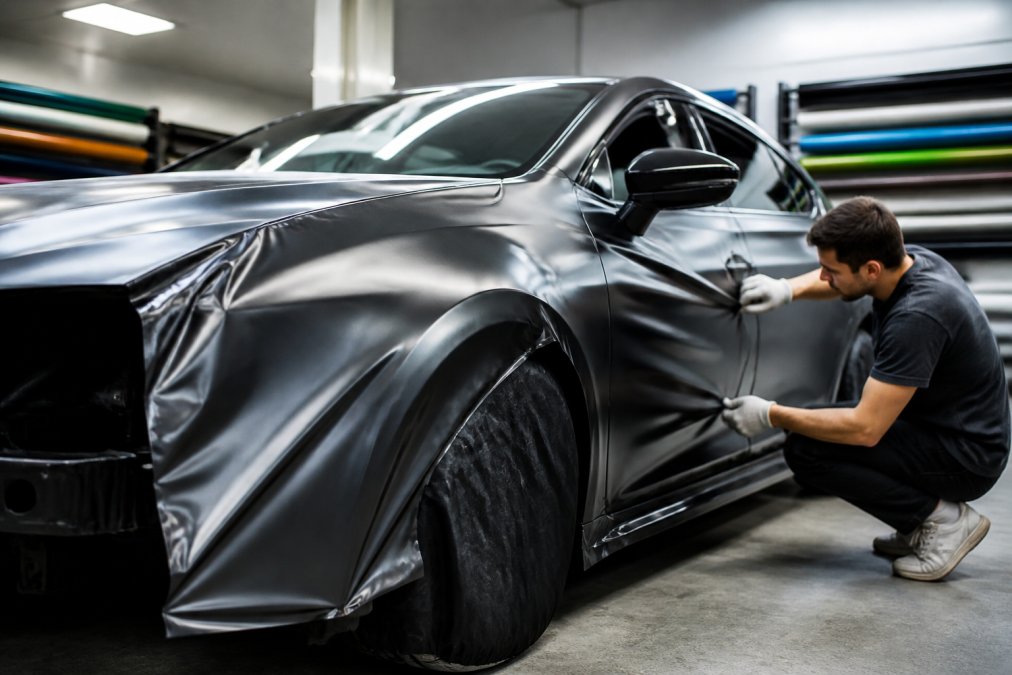
Booking a custom vehicle wrap service means hiring a trained installer to apply vinyl film over your painted surfaces for a new color, finish, or branded look without permanent paint work. First, settle which type of wrap fits your goal.
Full Wrap vs. Partial Wrap vs. Spot Graphics
A full wrap covers the entire vehicle, including bumpers, mirrors, and door jambs, delivering the strongest visual impact and paint protection film effect.
| Coverage Type | What It Covers | Best For | Typical Install Time |
|---|---|---|---|
| Full wrap | Entire body, bumpers, mirrors | Color change, full branding | 3-5 days |
| Partial wrap | Hood, roof, sides, or front half | Budget color shift, fleet branding | 1-2 days |
| Spot graphics | Doors, tailgate, small panels | Logos, numbers, accents | 2-4 hours |
Custom Paint vs Vehicle Wrap: Which Lasts and Which Costs Less
The custom paint vs vehicle wrap decision comes down to reversibility and upfront spend. A wrap is removable and generally costs less than a quality respray; custom paint is permanent, takes longer, and runs higher once you factor in prep and paint correction.
- Reversibility: Wraps come off. Paint doesn't, unless you pay for another respray.
- Timeline: A wrap install takes days. A full custom paint job can take weeks in the booth.
- Protection: Vinyl film shields the factory paint from stone chips and sun fade. Paint offers no such layer.
- Resale: A wrap lets a future buyer see the original finish underneath. Custom paint is a permanent commitment.
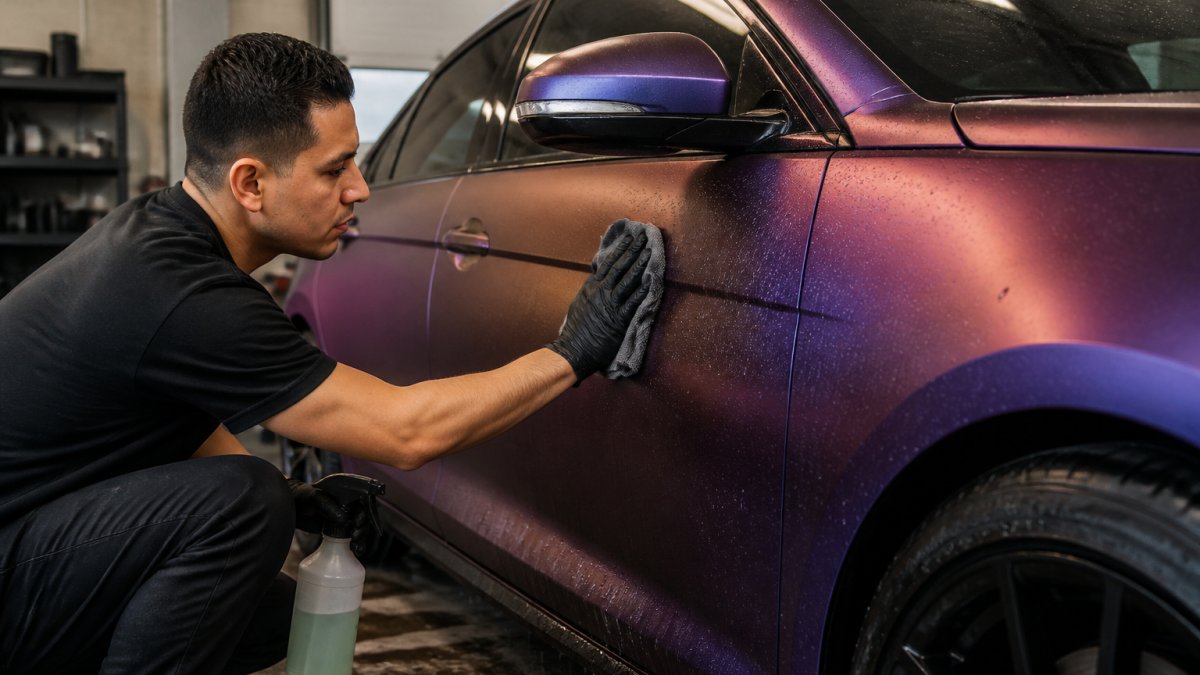
- Finish options: Wraps now offer matte finish, satin, gloss, chrome delete, and color-shift films that mimic paint closely.
How Long Does a Car Wrap Take From Design to Install
How long does a car wrap take? Typically one to two weeks total, split between design approval and installation, most of that is design and scheduling, not the wrap itself. How long the finished wrap lasts depends on film grade, sun exposure, and storage.
A few variables stretch the timeline:
- Vehicle size: A motorcycle or coupe wraps faster than a full-size truck or van.
- Complexity: Contour cut details and multi-panel designs add hours.
- Film availability: Specialty finishes may need to be ordered.
- Surface preparation: Older paint may need paint correction first.
- Weather: Cold or humid shops slow vinyl installation and curing.
How Long a Wrap Actually Lasts, and What Shortens It
- UV exposure: Horizontal panels, hood, roof, trunk lid, fade or chalk first, so an outdoor vehicle shows panel-to-panel color shift before a garaged one.
- Heat cycling: Repeated expansion and contraction works edges and seams, which is why wraps in direct summer sun lift at the corners first.
- Road salt and brine: Winter-treated roads leave a film that works into seams if not rinsed. A mid-winter rinse matters more than most owners expect.
- Humidity and moisture: Trapped moisture under a lifted edge accelerates adhesive failure and can cause mildew staining on lighter films.
- Bug splatter and bird droppings: These are acidic and etch film fast in sun. Remove them within a day or two to prevent permanent marks.
The wrap you choose today is a multi-year commitment shaped by where you park it, so factor that into the film grade you buy.
What Look for When Choosing a Vehicle Wrap Shop
Choosing a vehicle wrap shop is about verifying three things: credentials, materials, and proof of past work. Ask to see the portfolio in person, not just on social media, then ask about the film brands they stock and how they handle wrap removal on older vehicles.
Certified Technician Credentials and Portfolio Proof
A certified technician has completed manufacturer training on specific film lines. That matters because installation quality, not the film alone, decides how long a wrap lasts.
Ask these questions:
- Which film manufacturers have certified your installers?
- Can I see a vehicle you wrapped at least a year ago?
- Do you provide a written warranty, and what does it cover?
- How do you handle heat gun application around curves and recesses?
Materials, Laminate, and Adhesive Quality Questions to Ask
Film quality splits into three parts: the vinyl itself, the laminate on top, and the adhesive quality underneath. All three affect vinyl durability.
- Cast vs. calendared film: Cast vinyl conforms to curves and lasts longer. Calendared film is cheaper and shrinks over time.
- Laminate: A protective laminate layer guards against UV fade and scratches. Gloss laminate keeps a shiny look; matte laminate protects a matte finish.
- Adhesive: Repositionable adhesives let installers fix mistakes. Cheap adhesive leaves residue at removal.
What a Wrap Actually Costs, and How to Think About ROI
A wrap quote often includes line items such as film and materials, labor hours, and design time.
- Coverage level is the biggest lever. A full wrap uses far more film and labor than a partial or spot-graphics job, and the price scales accordingly.
- Film grade moves the number next. Cast film with a quality laminate costs more than calendared film, but it's the difference between a wrap that lasts and one that lifts early.
- Vehicle size and complexity add labor. A coupe is faster than a full-size van; a multi-panel design with contour cuts takes longer than a single-color color change.
- Surface prep can add cost if the paint needs correction before film goes down.
Legal, Insurance, and Lease Questions to Settle First
Settle these before you pay a deposit.
- Insurance: Tell your insurer about the wrap. Some policies treat it as a custom modification and cover it; others won't. Ask whether the wrap is covered and whether a claim would raise your premium.
- Registration: A full color change may require updating your vehicle registration in some states. Check with your state motor vehicle department before install, not after.
- Commercial use: Fleet management vehicles used for business may face additional disclosure or permitting rules depending on how and where they operate.
- Local signage rules: Oversized vehicle graphics on commercial trucks can trigger local signage or advertising ordinances in some jurisdictions.
- Lease terms: If you lease, get written permission before wrapping. Most leases require it, and some prohibit wraps outright.
Federal Trade Commission advertising and endorsement guidance matters if your wrap carries sponsor logos or promotional claims.
How to Book Your Custom Vehicle Wrap Service Step by Step
Booking a custom vehicle wrap service follows a clear sequence: consult, quote, design approval, deposit, and scheduled install.
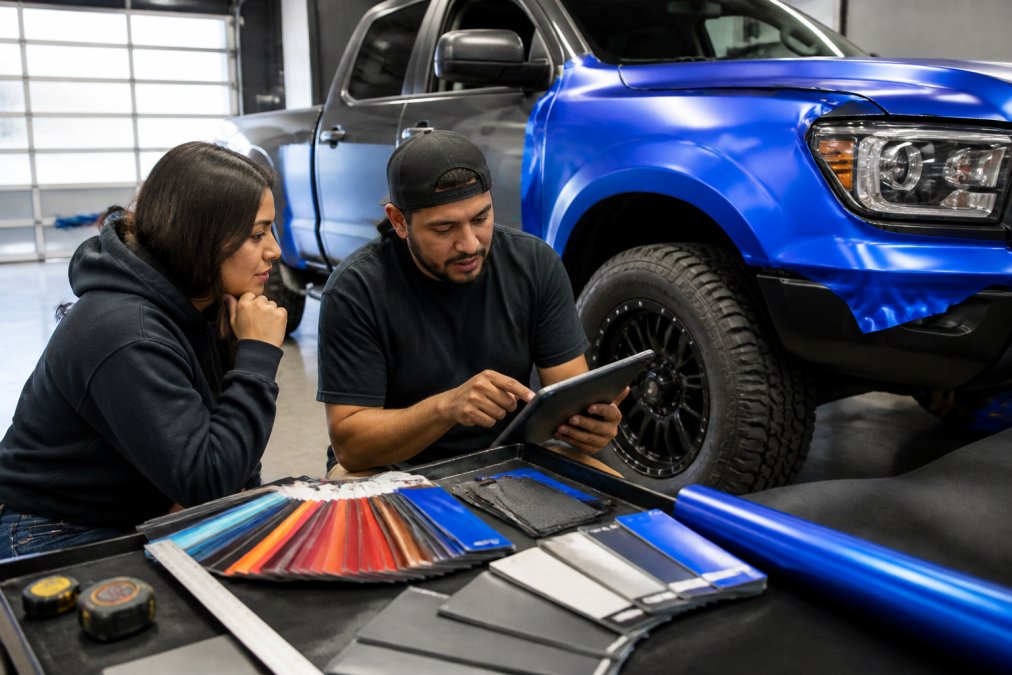
- Request a quote. Share your vehicle's year, make, model, and photos. Mention the coverage level you want.
- Book a consultation. Bring reference images and ask about finishes, laminate, and warranty terms.
- Approve the design proof. Review the digital mockup and confirm colors before film is ordered.
- Place your deposit. Most shops require one to lock in materials and a bay slot.
- Prep the vehicle. Wash it, remove personal items, and disclose any existing aftermarket parts.
- Drop off for install. Confirm the pickup date and ask how to care for the wrap during the first week.
- Inspect at pickup. Check edges, seams, and corners under good light before you drive away.
DIY vs. Professional Installation Risks
DIY wrap kits can look appealing.
- Trapped air and bubbles: Without proper squeegee technique, air pockets form and never settle.
- Overstretched film: Too much heat or pull causes the vinyl to snap back and lift.
- Knife cuts into paint: Trimming film on the vehicle can slice through clear coat.
- Warranty void: Most film makers void coverage on self-installed wraps.
- Removal damage: A poorly applied wrap can pull paint when it finally comes off.
Professional installation may cost more upfront.
Vehicle Wrap Maintenance Tips That Protect Your Investment
Vehicle wrap maintenance comes down to gentle washing and fast cleanup. Treat the film like a delicate finish, not a coat of armor.
- Hand wash with mild soap and a soft mitt. Skip the brush tunnel.
- Avoid pressure washing near edges and seams.
- Remove bird droppings and bug splatter quickly; they etch film in sun.
- Park in shade or a garage when you can to slow UV fade.
- Skip wax on matte film; use a matte-safe sealant instead.
- Fix lifting edges early before water gets underneath.
Fleet Branding, Legal, and Insurance Considerations
Fleet branding turns every vehicle into a moving billboard, but it comes with rules most owners don't think about until they're surprised. Check these first.
- Insurance: Tell your insurer about the wrap. Some policies cover it as a custom modification; others don't.
- Registration: A full color change may require updating your vehicle registration in some states. Check your state's motor vehicle department.
- Commercial use: Fleet management vehicles used for business may face additional disclosure rules.
- Permits: Oversized vehicle graphics on commercial trucks can trigger local signage rules.
- Lease terms: If you lease, get written permission before wrapping. Most leases require it.
Frequently Asked Questions
How much does it cost to make a custom car wrap?
Pricing depends on vehicle size, wrap coverage, vinyl grade, and design complexity. A full color change on a sedan uses more material and labor than a partial wrap or spot graphics on a work truck. To provide an accurate quote, a shop typically measures your vehicle and confirms the desired finish, laminate, and design files. Request a quote from Rollin Amped Audio and Customz for current pricing based on your specific vehicle and design.
Is it cheaper to wrap a car than to paint it?
A wrap can cost less upfront than a full respray, and it protects the factory paint underneath. Paint requires sanding, primer, and curing time, while vinyl installation is reversible. That said, custom paint can deliver depth and finishes vinyl cannot match. For daily drivers and fleet vehicles, many owners choose a wrap for cost and resale protection, then reserve paint for show builds.
How long does a professional vehicle wrap last?
Most quality wraps last several years when installed over properly prepared paint and kept out of prolonged direct sun. Longevity depends on vinyl durability, adhesive quality, laminate choice, and how the vehicle is stored. Parking in a garage, washing with pH-neutral soap, and avoiding abrasive brushes all extend the wrap's life. Ask your installer about the specific film warranty before booking.
What should I look for when choosing a vehicle wrap shop?
Look for a certified technician, a portfolio of real completed builds, and clear answers about surface preparation, vinyl installation methods, and wrap removal. Ask whether the shop handles paint correction before install and whether they offer a written guarantee. A shop that works on motorcycles, cars, and trucks should show examples of each. Compare how they communicate, not just the bottom-line number.