 Ultimate guide
Custom Automotive Paint Shop Pricing: A 2026 Guide
Table of Contents
- What Drives Custom Automotive Paint Shop Pricing
- Automotive Paint Job Cost Breakdown
- Single-Stage vs. Basecoat/Clearcoat: Cost and Durability
- How to Get an Accurate Paint Shop Estimate
- Ceramic Coating vs. Wax Durability for Paint Protection
- DIY vs. Professional Paint Services
- Maintenance and Longevity of Custom Finishes
- Conclusion
- Frequently Asked Questions
Last Updated: September 30, 2026
What Drives Custom Automotive Paint Shop Pricing
Custom automotive paint shop pricing depends on labor, materials, equipment overhead, surface condition, and finish complexity. Understanding these drivers explains why two shops quote dramatically different prices for the same job.
The biggest mistake vehicle owners make is comparing quotes based on price alone. A low quote often signals shortcuts: rushed surface preparation, cheaper paint materials, or inadequate climate control. The difference between a paint job that lasts five years and one that lasts fifteen comes down to decisions made before the spray gun ever touches your vehicle.
Automotive Paint Job Cost Breakdown
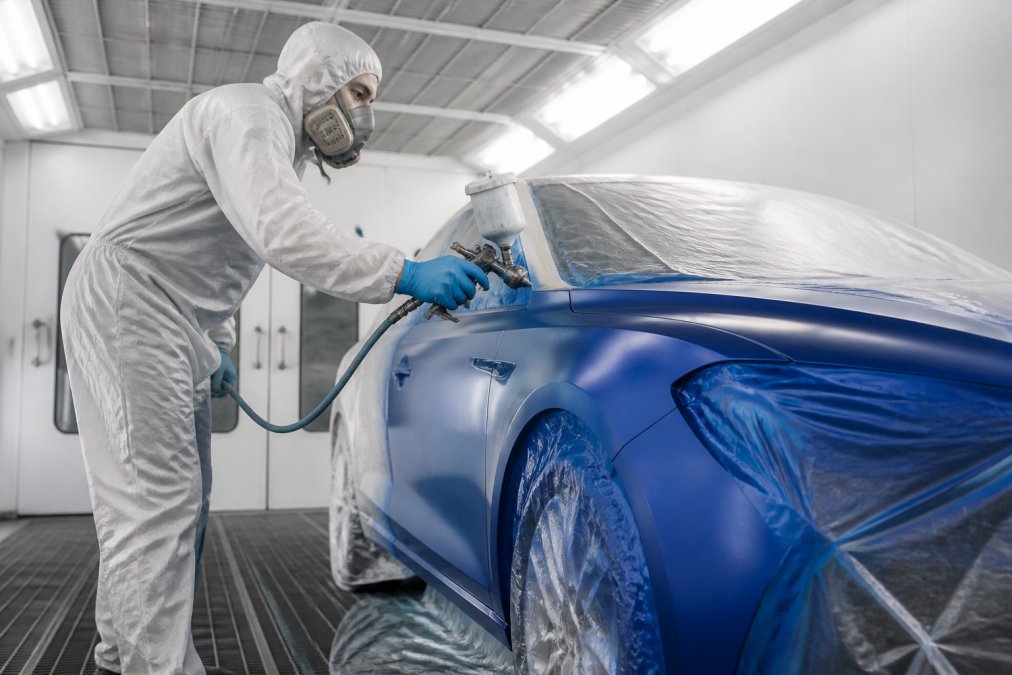
Labor rates and spray booth overhead
Labor represents 40-60% of the total cost, with most hours spent on surface preparation.
A full vehicle repaint typically requires 40-80 labor hours depending on current condition and finish complexity. Here's how those hours break down:
Surface Preparation (20-50 hours): Wet-sanding the entire vehicle takes 15-25 hours for a sedan. Rust repair or dent work adds 10-30 hours. Masking, cleaning, and tack-wiping add 5-8 hours. Quotes under 30 total hours indicate skipped prep steps; 60+ hours indicates thorough work.
Primer Application (4-8 hours): Applying primer coats, sanding between coats, and inspecting coverage.
Paint Application (8-15 hours): Applying basecoat and clearcoat with sanding between coats. Metallic or pearl finishes require additional coats.
Finishing and Quality Control (4-8 hours): Wet-sanding clearcoat, buffing, and final inspection.
Labor rates vary by geography: major metros $75-150/hour, rural areas $50-100/hour, master painters $100-200+/hour. Rates reflect skill and facility overhead.
Spray booth overhead is substantial and often underestimated. A proper paint booth requires:
-
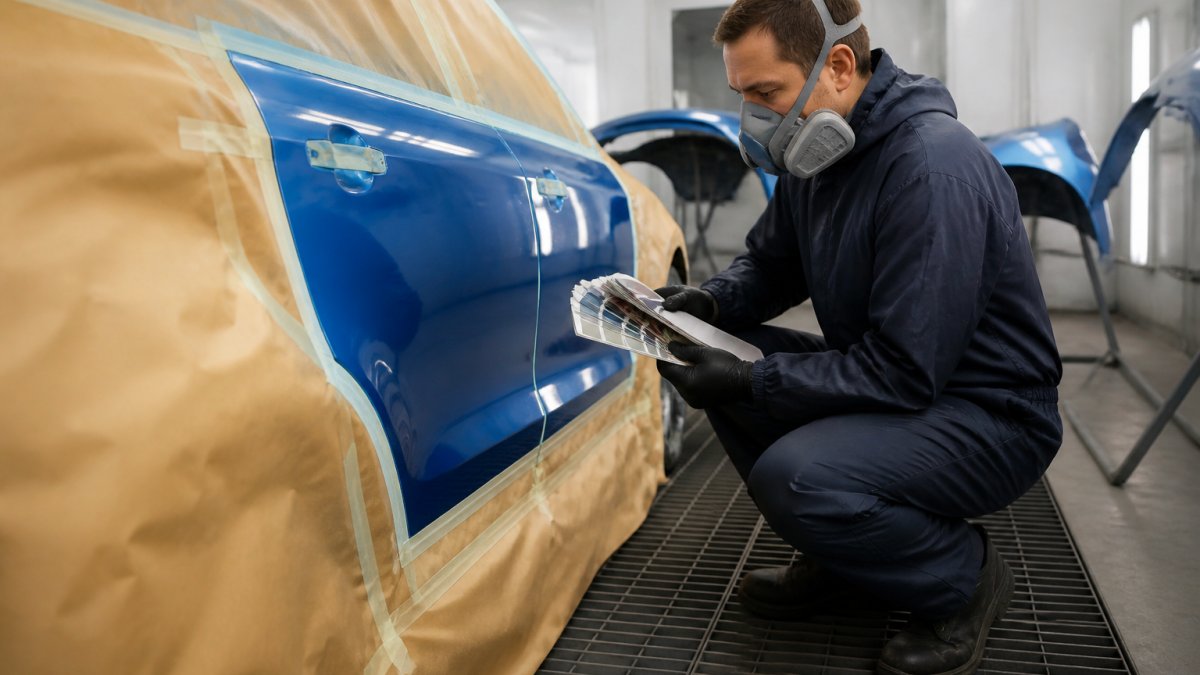
Climate control systems: Maintaining 68-75°F and 40-55% humidity is critical for proper paint flow, cure time, and adhesion. Professional booths cost $15,000-$50,000+ to install and $500-$2,000 monthly to operate.
-
Ventilation and air filtration: Removing overspray requires powerful exhaust systems and regular filter replacement. Inadequate ventilation causes dust and contaminants to settle into wet paint, creating defects.
-
Lighting: Proper color matching and defect detection require 500+ foot-candles of lighting.
-
Maintenance and compliance: Shops must maintain cleanliness, replace filters regularly, and comply with EPA VOC emissions regulations.
Shops with outdated booths produce inferior finishes. Modern, well-maintained equipment costs more per hour but delivers better results and fewer callbacks.
Paint materials and coating systems
Paint material costs depend on the coating system. Single-stage urethane is cheaper but offers less protection than basecoat/clearcoat, affecting long-term durability and maintenance.
Quality manufacturers like PPG, DuPont, and Sherwin-Williams deliver better color stability, UV resistance, and adhesion. Budget brands fail faster and create costly callbacks. Professional shops use premium materials for profitability and durability.
Primer, sealers, and topcoats all add to material costs. Proper surface preparation requires multiple primer applications on bare metal or heavily damaged areas. Skipping steps saves material costs but guarantees finish failure within months.
Surface preparation and bodywork
Surface preparation separates quality from mediocrity. Proper prep involves sanding, masking, cleaning, and bodywork repair. Rust, dents, or existing damage extends this phase significantly.
Rushing prep reduces labor costs but causes paint failure, peeling, or color mismatch. Experienced shops charge more because prep determines everything.
Single-Stage vs. Basecoat/Clearcoat: Cost and Durability
Single-stage paint combines color and protection in one layer. It's faster to apply, requires fewer materials, and costs less upfront. However, single-stage finishes are more vulnerable to UV damage, oxidation, and environmental contaminants. The paint itself must handle all protection duties, which means it degrades visibly over time.
Basecoat/clearcoat systems apply color in a thin basecoat layer, then protect it with a clear topcoat. This separation offers superior durability because the clearcoat absorbs UV damage while the basecoat color remains protected underneath. When clearcoat fails after 10-15 years, you can refinish just the clear rather than repainting the entire vehicle. Single-stage paint failure means repainting everything.
The cost difference is meaningful. Basecoat/clearcoat adds material and labor, typically increasing total cost by 15-25%. But the longevity advantage justifies the investment for vehicles you plan to keep long-term. If you're selling the vehicle in three years, single-stage makes economic sense. For a show vehicle or daily driver you're keeping, basecoat/clearcoat is the better value over time.
How to Get an Accurate Paint Shop Estimate
A legitimate estimate requires in-person inspection. Phone quotes without seeing your vehicle are guesses.
The estimator should evaluate paint condition, identify bodywork needs, discuss color and finish type, and explain labor hours. A detailed estimate breaks down labor, materials, and charges separately.
Ask about the coating system brand and type, surface preparation steps, primer applications, and warranty coverage. Shops confident in their work offer warranties on adhesion and durability.
Compare estimates from at least two or three shops. Prices should be in a reasonable range, but understanding what "reasonable" means requires accounting for regional labor cost variance.
Regional price variance and labor market factors
Paint job costs vary dramatically by region due to labor costs, facility overhead, and market competition.
Major metropolitan areas: Labor rates run $100-200+ per hour. Full vehicle repaints typically cost $3,500-$8,000+.
Secondary urban markets: Labor rates run $75-125 per hour. Full vehicle repaints typically cost $2,500-$5,500.
Suburban and rural areas: Labor rates run $50-100 per hour. Full vehicle repaints typically cost $1,800-$3,500. Availability of high-quality shops is limited.
Coastal and high-cost-of-living regions: Add 20-40% to metro-area pricing due to cost of living and demand.
Adjust estimates for your region. Quotes 40% below or above regional average should be justified by equipment, materials, or reputation.
A full vehicle basecoat/clearcoat repaint should cost $2,500-$8,000 depending on region, with labor at 50-65%. Investigate estimates outside this range.
Evaluating quote legitimacy
Once you have estimates, evaluate them systematically:
Labor hours: A legitimate estimate specifies total labor hours. Full repaints typically require 40-80 hours. Partial jobs (hood, doors, panels) typically require 15-30 hours. If a shop won't specify hours, they're hiding something.
Material specification: The estimate should name the paint brand and type (single-stage or basecoat/clearcoat). If it just says "premium paint" without specifics, ask for details. PPG Deltron, DuPont ChromaBase, and Sherwin-Williams are industry standards. Budget brands like TCP Global or generic urethanes are cheaper but less durable.
Prep scope: The estimate should describe surface preparation in detail, wet-sanding, primer applications, masking, rust repair if applicable. Vague language like "full prep" is meaningless.
Warranty: Ask what's covered. Legitimate shops offer 2-5 year warranties on paint adhesion and finish quality. Shops offering no warranty are signaling low confidence in their work.
Timeline: A realistic timeline for a full repaint is 2-4 weeks depending on complexity and shop workload. Quotes promising completion in 5 days are cutting corners on cure time between coats.
Compare estimates from at least two or three shops. Prices should cluster within 15-25% of each other for the same scope of work. If one quote is 40% lower than others, ask specifically what's different, materials, labor hours, prep scope, or warranty. If one quote is 40% higher, ask what justifies the premium. Sometimes it's better equipment or superior materials; sometimes it's just markup. A shop's reputation, facility quality, and warranty terms should factor into your decision as much as price.
Ceramic Coating vs. Wax Durability for Paint Protection
After your custom paint job, protection becomes critical. Ceramic coating and wax serve different purposes and have different durability profiles. Understanding this distinction helps you choose the right protection strategy for your investment.
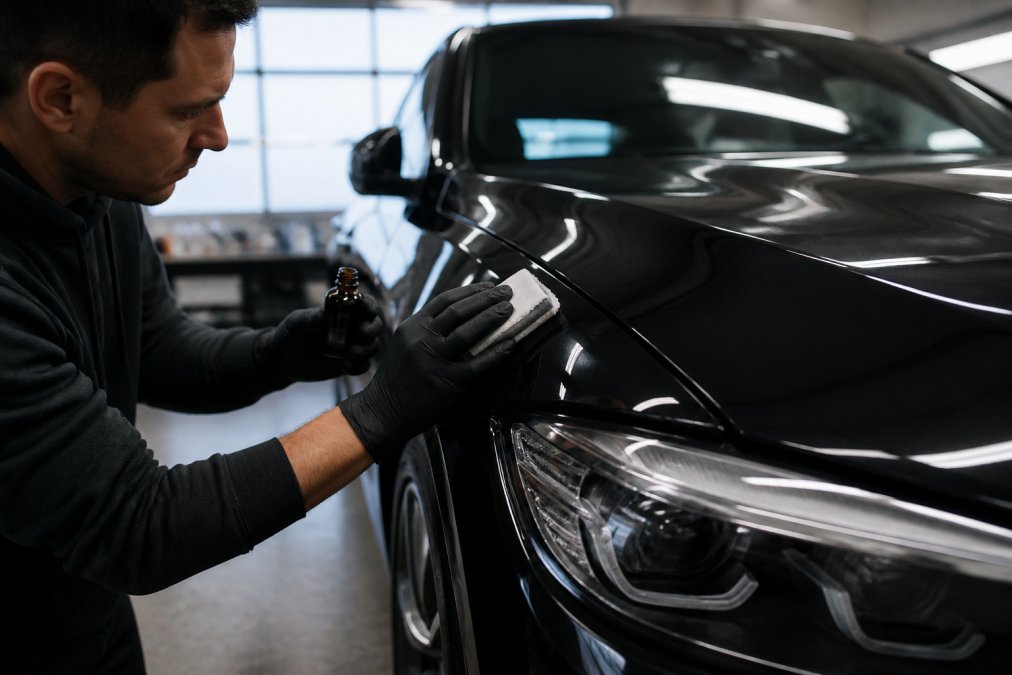
Ceramic coating is a semi-permanent nanotechnology product that bonds to your clearcoat and creates a hydrophobic layer. Quality ceramic coatings last 2-3 years with proper maintenance.
DIY vs. Professional Paint Services
DIY painting almost always ends poorly. Professional painting requires specialized equipment, controlled environments, and years of technique development. Uncontrolled spray produces runs, sags, and color inconsistency that buffing cannot fix.
Maintenance and Longevity of Custom Finishes
How long your custom paint lasts depends on maintenance as much as application quality. A properly applied basecoat/clearcoat system lasts 10-15 years with good care. Single-stage paint typically lasts 5-8 years. Poor maintenance cuts these timelines in half.
Conclusion
Custom automotive paint shop pricing reflects the complexity of transforming your vehicle's appearance while protecting it for years to come. Labor, materials, surface preparation, and equipment overhead all factor into what you'll pay. Understanding these components helps you evaluate quotes intelligently and recognize the difference between a bargain and a genuine value.
Frequently Asked Questions
How much does a custom automotive paint job typically cost?
Custom automotive paint shop pricing depends on vehicle size, design complexity, paint system type, and surface preparation needs. A basic single-stage paint job costs less than a multi-layer basecoat/clearcoat system with custom graphics or pearl finishes. Labor rates and materials vary by region and shop expertise. Request a quote from Rollin Amped Audio and Customz for accurate pricing based on your specific vehicle and design goals.
What factors most influence the final price of a custom paint job?
Key factors include surface preparation time, paint system choice (single-stage vs. basecoat/clearcoat), design complexity, vehicle size, and existing damage repair. Custom finishes like pearl, matte, or color-swap jobs cost more than solid colors. Labor hours for masking, sanding, primer application, and multiple coating layers add significantly to the total. Paint booth overhead and quality of materials also affect the final estimate.
How does ceramic coating compare to wax for protecting custom paint?
Ceramic coating vs. wax durability shows ceramic coatings last 2-5 years with minimal maintenance, while wax typically lasts 3-6 months. Ceramic provides superior UV protection, water beading, and chemical resistance, making it ideal for custom finishes that need long-term preservation. Wax is cheaper upfront but requires frequent reapplication. For custom automotive paint jobs, ceramic coating offers better protection and longevity for your investment.
What should I ask for when getting a paint shop estimate?
When seeking how to get an accurate paint shop estimate, ask for a detailed breakdown of labor hours, paint materials cost, surface preparation charges, and any additional services like primer or clear coat application. Request specifics on the paint system being used and warranty coverage. Ask about timeline, booth fees, and whether existing damage repair is included. A thorough estimate prevents surprises and helps you compare quotes accurately across shops.